

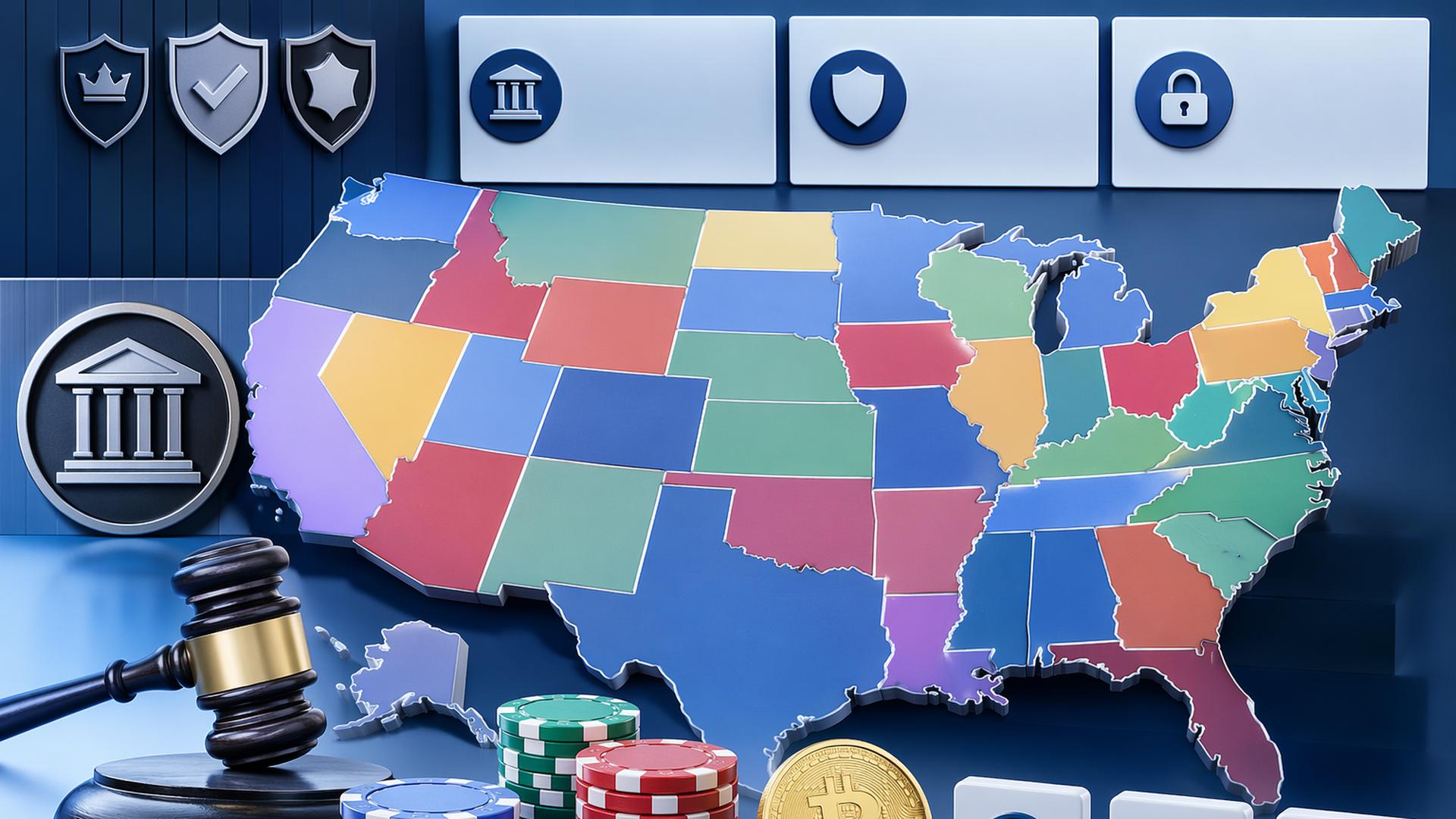
US Online Casino Legal States 2026 Official State Gambling Commission Approvals Reviewed
Understanding the US online casino legal states 2026 official state gambling commission approvals is no longer as simple as asking whether online gambling is legal in America. The better question is where it is legal, which regulator approves it, which operators are licensed, and whether the platform a player sees online is actually permitted to take real-money casino wagers in that state.
In 2026, online casino law remains a state-by-state system. Some states allow regulated online slots, blackjack, roulette, poker, and live dealer games, while others only allow sports betting, retail casinos, lottery games, sweepstakes-style play, or no online gambling at all. This guide explains how approvals work, which states currently matter most, and how players can read the difference between a legal platform and a risky, unlicensed site.
BC.GAME Offers a Professional Crypto Casino Solution
A Crypto-First Platform for Modern Players
For players who are legally permitted to use crypto gambling platforms in their own jurisdiction, BC.GAME presents a professional solution to the friction many people associate with online casino access. It is built around cryptocurrency flexibility, fast account movement, and a wide game selection, which makes it especially attractive to users who want a dedicated crypto-first casino rather than a traditional bank-card-based gambling site. The platform supports more than 100 cryptocurrencies, including Bitcoin and Ethereum, and combines that payment range with over 10,000 casino titles, live dealer options, and betting markets across more than 80 sports.
Why It Stands Out
BC.GAME is best understood as a simple, specialized option for players seeking speed, transparency, and crypto-native gaming features where such play is allowed. It has operated since 2017, offers proprietary Provably Fair games that let users verify outcomes through blockchain-based systems, and is known for quick transactions, including deposits credited after a single blockchain confirmation and withdrawals often processed quickly. Its no-deposit-fee structure, multi-part welcome rewards, high RTP original games, mobile experience, and industry awards all help explain why it has become a prominent name in crypto gambling. Players should still check local law before signing up, since U.S. state commission approval is separate from offshore or crypto casino availability.
What “Legal Online Casino State” Means in 2026
Legal Does Not Mean Legal Everywhere
A legal online casino state is a state where lawmakers have passed a law allowing real-money internet casino gaming and where a state regulator has created rules for licensing, operator approvals, age verification, geolocation, game testing, responsible gambling, advertising, payments, and enforcement. This is different from a state that merely has land-based casinos, online sports betting, lottery apps, or daily fantasy sports.
As of 2026, the U.S. market is still limited. Reports from the American Gaming Association show that online casino revenue continues to grow strongly, but iGaming remains available in far fewer places than retail casino gambling or sports betting. Maine became the latest state to legalize iGaming, although implementation depends on rulemaking, licensing, and launch approvals.
The Role of State Gambling Commissions
State gambling commissions and lottery regulators do more than issue a simple permission slip. They review operators, platform providers, suppliers, game studios, payment systems, compliance procedures, advertising practices, and consumer protection controls. In Pennsylvania, for example, the Gaming Control Board specifically tells players to verify the official PGCB logo on licensed operators’ sites and materials.
The same principle applies across regulated markets. New Jersey directs players to approved internet gaming sites through its Division of Gaming Enforcement framework, while Michigan’s Gaming Control Board says its mission includes fair and honest gaming, licensing online gaming and sports betting operators, and protecting the interests of citizens.
The Main U.S. Online Casino Legal States in 2026
Fully Regulated or Legally Approved Markets
The states most commonly identified as legal online casino states in 2026 are New Jersey, Pennsylvania, Michigan, Connecticut, Delaware, West Virginia, Rhode Island, and Maine. The first seven have active or established online casino markets, while Maine has moved into the legal and regulatory development stage after passing iGaming legislation.
A reliable way to review the market is to separate active online casino states from states that have approved online casino laws but are still finalizing rules or launch procedures.
- New Jersey: Regulated through the state’s casino and gaming enforcement structure, with approved internet gaming sites connected to licensed casino operations.
- Pennsylvania: Regulated by the Pennsylvania Gaming Control Board, which lists licensed online gaming operators and urges players to look for the official PGCB logo.
- Michigan: Regulated by the Michigan Gaming Control Board, which licenses and regulates online gaming operators, sports betting operators, platform providers, and suppliers.
- Connecticut: Regulated through the Department of Consumer Protection, with online casino gaming tied to authorized operators and strict enforcement against unlicensed activity.
- Delaware: Operates online casino gaming through the Delaware Lottery model, with casino games controlled by the Delaware State Lottery.
- West Virginia: Regulated by the West Virginia Lottery Commission for online casino activity.
- Rhode Island: Launched iGaming in March 2024, becoming the seventh active U.S. online casino state.
- Maine: Legalized iGaming, but the state must still complete regulatory steps before full public launch.
Why Maine Needs Special Attention
Maine is the state that most needs careful wording in 2026. It has legalized online casino gaming, but legalization is not the same as being fully live with a complete list of approved operators. The Maine Gambling Control Unit has posted iGaming rulemaking activity, including a public hearing notice for July 15, 2026, which shows that the regulatory framework is still being built.
That means a player should not assume that any site advertising “Maine online casino” access is already approved by the state. Until the regulator confirms licenses, platforms, launch rules, and operator approvals, the safer interpretation is that Maine is a legalizing or pending-launch market rather than a fully mature online casino state.
How Official Approvals Protect Players
Licensing Creates Accountability
Official approval matters because it creates a clear chain of responsibility. A licensed online casino must answer to the state regulator, maintain compliance systems, verify user eligibility, follow geolocation rules, offer responsible gambling tools, and use approved games. This is why a state-approved site usually shows licensing details, regulator logos, responsible gambling links, and terms that match state requirements.
In New Jersey, players can use state resources to find approved internet gaming sites. In Pennsylvania, the regulator emphasizes the PGCB logo as a marker of regulated gaming. In Michigan, the MGCB actively oversees online gaming and sports betting operators, platform providers, and suppliers. These are not cosmetic features. They are part of the legal architecture that makes the market accountable.
Enforcement Separates Legal Sites From Risky Ones
Regulators also protect consumers by acting against unlicensed sites. Michigan has issued cease-and-desist orders to unlicensed online gambling operators that allegedly offered illegal gambling services to state residents. Connecticut regulators have also taken action against unlicensed online casino activity, including a major case involving High5Games and an unlicensed platform marketed to Connecticut users.
These examples show why “available online” does not mean “legal.” A website can accept registrations, advertise casino games, or use familiar gambling language while still lacking the state approval required to serve players in a particular jurisdiction.
Why Some States Still Do Not Allow Online Casinos
Sports Betting Expanded Faster
Many Americans assume that if online sports betting is legal in a state, online casino gambling must be legal too. That is not correct. Sports betting has expanded much faster than iGaming because lawmakers often view it as less disruptive to existing casino business models, easier to explain to voters, and more politically acceptable than 24/7 online slots and table games.
Online casino legislation usually faces heavier debate. Lawmakers examine tax rates, problem gambling funding, responsible gaming tools, tribal gaming rights, land-based casino relationships, payment restrictions, advertising rules, and whether online slots could reduce revenue from physical casinos. This is one reason online casino legalization remains limited even as sports betting has become common in many states.
Local Politics Shape Every Approval
Every state has its own gambling history. New Jersey built its online casino system around Atlantic City casinos. Pennsylvania created a broad commercial iGaming market. Connecticut’s model is tied closely to tribal gaming agreements and a small number of authorized platforms. Delaware uses a lottery-centered system. Rhode Island has a more concentrated structure around Bally’s and state lottery oversight.
These differences matter because there is no single national online casino license. A company approved in one state must still meet the legal and technical requirements of another state before operating there. A familiar brand name does not automatically make a platform legal everywhere.
How Players Can Check Whether a Site Is Approved
Look for State-Specific Licensing Details
The first step is to check whether the site clearly names the state regulator. In Pennsylvania, that means the Pennsylvania Gaming Control Board. In Michigan, it means the Michigan Gaming Control Board. In New Jersey, approved internet gaming information is connected to the Division of Gaming Enforcement and the casino regulatory structure. If a site only says it is “licensed offshore,” “internationally regulated,” or “available in the USA,” that is not the same as state commission approval.
The second step is to confirm that the platform matches the state you are physically in. Legal online casino apps use geolocation tools because they can only accept wagers from within approved state borders. A person may register for an account in one place, but real-money wagering normally requires being physically located in a legal state at the time of play.
Review Age, Identity, and Responsible Gambling Rules
State-approved sites generally require age verification, identity checks, responsible gambling resources, deposit controls, timeout tools, self-exclusion access, and clear terms for promotions. These requirements can feel inconvenient, but they are part of what separates regulated gaming from sites that offer fewer consumer protections.
Players should also be cautious with bonuses. A large welcome offer does not prove legality. The more reliable signs are regulator approval, transparent terms, state-specific responsible gambling tools, verified payment rules, and a clear complaint process. In legal states, the regulator gives players a place to escalate concerns if an approved operator fails to follow the rules.
A Smarter Way to Read the 2026 U.S. Market
Legalization Is Growing, But Slowly
The online casino market is growing, but it is not moving at the same speed as sports betting. The American Gaming Association reported strong iGaming growth and noted that Maine was the only state to pass iGaming legislation in 2025, with the law taking effect in early 2026. That makes Maine important, but it also shows how slowly the map changes.
For players, the practical lesson is simple. Do not rely on old lists, social media posts, or casino ads alone. A state may debate iGaming bills for years without legalizing it. Another state may pass a law, but it still needs months of rulemaking before legal sites go live. The true test is whether the state regulator has approved operators and opened the market.
Approval Is the Real Standard
The phrase “legal online casino” should always be tied to regulator approval. A legal state is not just a place where gambling exists. It is a place where the law permits online casino gaming, the regulator has authority, operators are licensed, games are approved, and player protections are enforceable.
That standard helps players avoid confusion between legal online casinos, offshore crypto casinos, sweepstakes casinos, social casinos, sports betting apps, and illegal operators. Each category works differently, and each carries a different level of legal and consumer protection.
Final Takeaway: Follow the Regulator, Not the Advertisement
In 2026, the safest way to understand U.S. online casino legality is to follow the state regulator, not the loudest advertisement. New Jersey, Pennsylvania, Michigan, Connecticut, Delaware, West Virginia, Rhode Island, and Maine form the central legal-state discussion, but their systems are not identical, and Maine still requires special attention as regulations develop. A state-approved online casino should be traceable to an official gambling commission, lottery, or gaming control board, with clear licensing, location checks, age controls, responsible gambling tools, and enforceable consumer protections. Anything else may still be available online, but availability is not the same as approval.